The unofficial start to summer is here and you know what that means? It’s time to start experiencing down east cuisine at its finest!
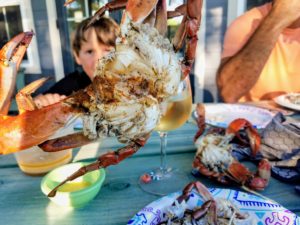
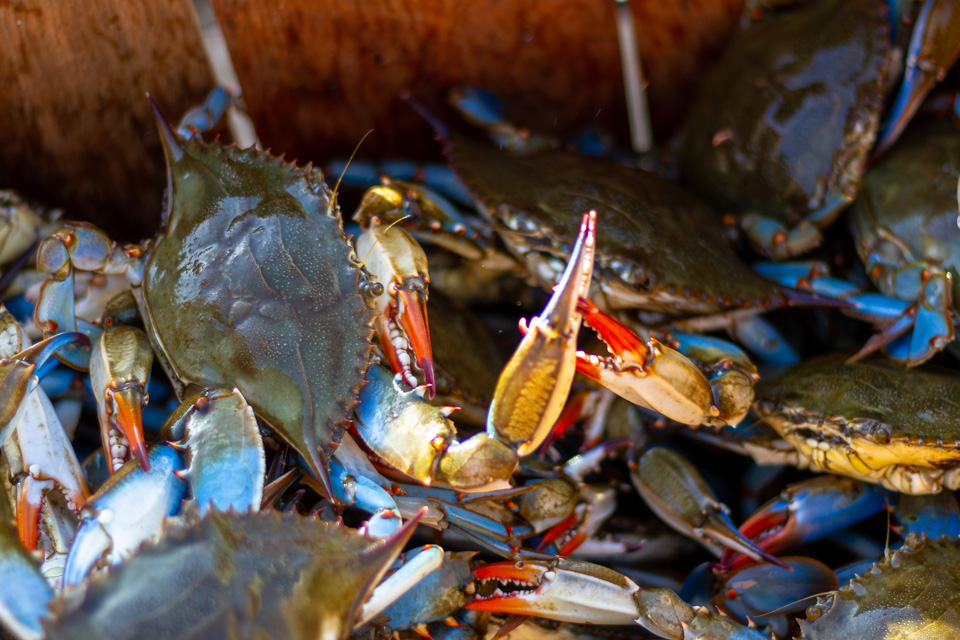
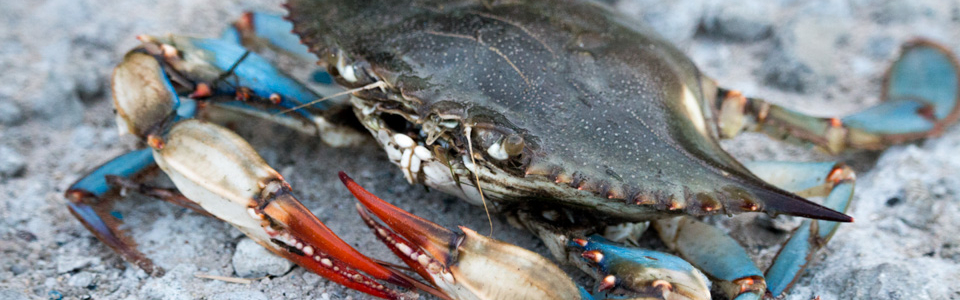
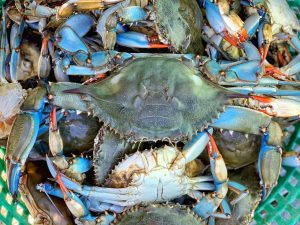
Fresh crabs from the water complimented with sweet corn, watermelon, strawberries, tomatoes and greens from the garden… these are the things memories are made of.
It’s no secret the AP Crew are fans of summertime, especially when it comes to food and fun outside.
So serve up some sweet tea and kick back with us as we cherish some of those memories and what its like to experience summer in the south.
Time Outside
One of the best parts about summertime is unplugging and getting away from it all.
That’s all but impossible for many in our digitally connected world but AP can offer the best of both worlds.
Read about unplugging without disconnecting in this article by Heather Brewer.
AP is in the middle of summer camp country, sandwiched between two of the largest sailing camps in the US, Camps Seagull and Seafarer. For thousands of kids summertime is all about putting school in the rearview and shifting their excitement to endless adventures on the river in Pamlico County.
Read a recent article about gardening in and around AP here.
Gardening image gallery
Garden Slideshow
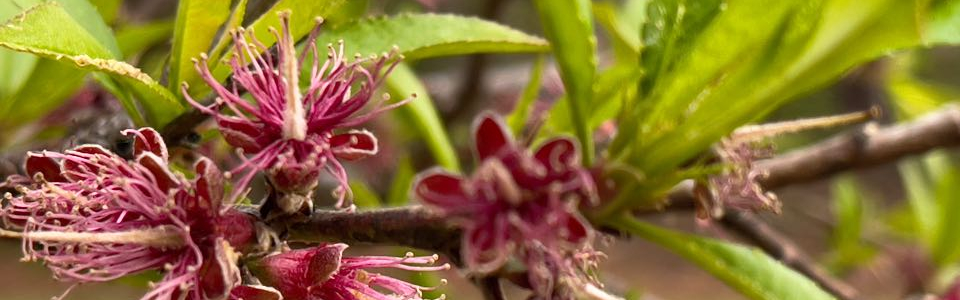
The ancient Romans called the plant "Persian apple", and then later changed Persian into peche, from old French. Gradually, it has become known as the peach. Peach trees symbolize longevity, health and good fortune.
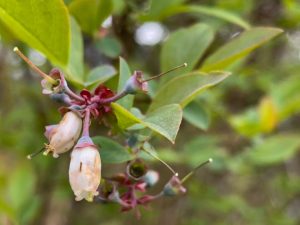
The highbush blueberry is the most commonly cultivated blueberry in North America. Its blue fruit is popular with many species of birds including bluebirds, robins, cedar waxwings, veeries, thrushes, and scarlet tanagers. it’s larger than other blueberry varieties and can grow up to 12 feet tall. As such it is often used for nesting and roosting by some birds such as robins, warblers, brown thrashers, indigo buntings, and gray catbirds.
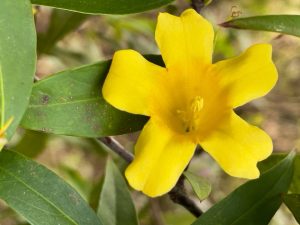
Carolina jasmine is a tropical vine native to Central America and the southern United States and is not to be confused with Honeysuckle. Despite being commonly kept as a houseplant, Carolina jasmine is toxic when consumed and causes skin irritation.
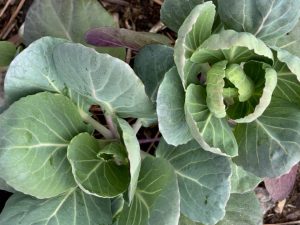
Cabbage grows well in cool weather and full sun. It can be eaten raw, shredded in salads, or in soup, and is fermented to make sauerkraut. It is super easy to take care of, with resistance to almost all pests and diseases. It is a perfect option for gardeners with brown thumbs.
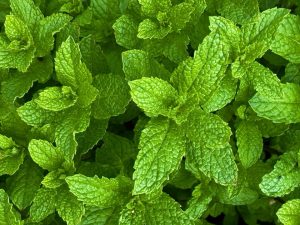
Spearmint is a member of the mint family and is a common flavor in breath mints and gum. The leaves of spearmint are edible and can be added to salads, smoothies, certain desserts, and even as a flavoring agent for water.Spearmint contains essential oils that are highly toxic to many animals. However, their concentrations are quite low in both raw and dried plant material, so ingestion of spearmint commonly causes only mild stomach upset in animals.
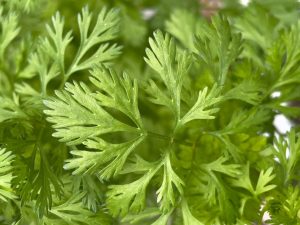
Coriander is well-known in many countries and is most commonly used for cooking. The dried seeds of the coriander plant are ground and used to season dishes, while the leaves and stems can be eaten cooked or raw. In the United States, the leaves and stems of this plant are called cilantro.
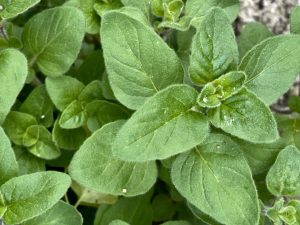
Oregano, also known as wild marjoram, is a herbaceous perennial plant closely related to marjoram. Ancient Greeks and Romans considered it a symbol of happiness and believed that cows that grazed on fields of oregano had tastier meat, contributing to why they referred to the herb as the joy of the mountain. The ancient Greeks also believed that if a person anointed themselves with oregano they would dream of their future husband or future wife.
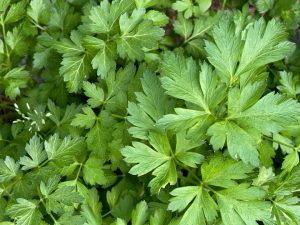
A symbol of spring and rebirth, Parsley is a popular herb and is used extensively in American and Middle Eastern cuisines. It is a nutritious ingredient that adds flavor to soups and stews and is also used raw as a garnish. Gardeners like Parsley because it attracts swallowtail butterflies and bees to its flowers, and birds feed on its seeds.
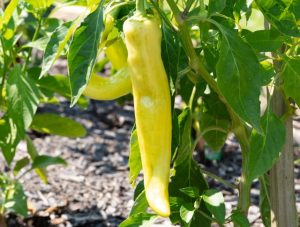
Fresh veggies growing in a garden at AP.
The butterfly-like flowers of aphrodite's phalaenopsis can add vivid color to your home, making this a perfect indoor potted plant. Each flower blooms for 2-3 months and requires only simple daily care.
Japanese maple is a small tree that boasts brilliantly colored fall foliage that serves as excellent shelter for many songbirds. Japanese maple can be grown in the garden or as a potted plant. They show beautiful changes in leaf color and have an elegant shape.
Bitter orange, or Seville Oranges, are an ornamental citrus frequently used as root stock for other types of orange trees. Bitter orange trees are more cold hardy than their edible cousins and can be grown in large containers outdoors. The fruit and rind are bitter and sour compared to traditional oranges, but can be used to make marmalade.
The dog rose is a pale pink type of rose and can be found climbing up different trees. References to dog rose date back at least to ancient Rome, and it is featured in many European riddles and even Shakespearian quotes as well.
The Canna orchioides is a large subtropical and tropical perennial herb with flat, alternate leaves that are usually solid green. Its flowers are asymmetric and usually red, orange, yellow or a combination of these colors. The wild species of this plant normally grows to at least 7-10 feet tall. The starchy root of the orchid canna is edible.
Rhododendron indicum is a small semi-evergreen flowering shrub native to East Asia, colloquially known as southern Indian azalea. It produces a great number of lovely pink flowers during the blooming time, which is why southern Indian azalea is often used for ornamental purposes. There are many cultivars of this gorgeous plant and some are used for bonsai.
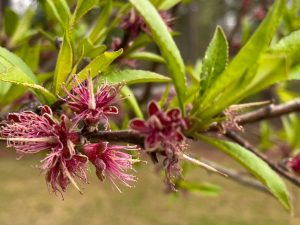
Callery pear, also known as Bradford pear, is one of the earliest blossoms in spring, and is widely appreciated for its delicate flowers. Requiring little maintenance, this beautiful and hardy plant is popular in gardens.